
What is Diabetic Foot and Nail?
Diabetic Foot refers to a range of foot problems caused by prolonged high blood sugar levels. These complications include:
● Nerve damage (neuropathy) – reduces sensation, making small cuts or blisters go unnoticed.
● Poor blood circulation – slows healing.
● Foot ulcers and infections – may progress to tissue death (gangrene).
Diabetic Nail Issues include thickened, discolored, brittle, or ingrown toenails. Weak circulation and immunity make diabetic patients prone to fungal infections and delayed healing. Without proper care, diabetic foot and nail problems can lead to chronic wounds, infections, or even amputation. Regular monitoring, preventive care, and timely treatment are essential.
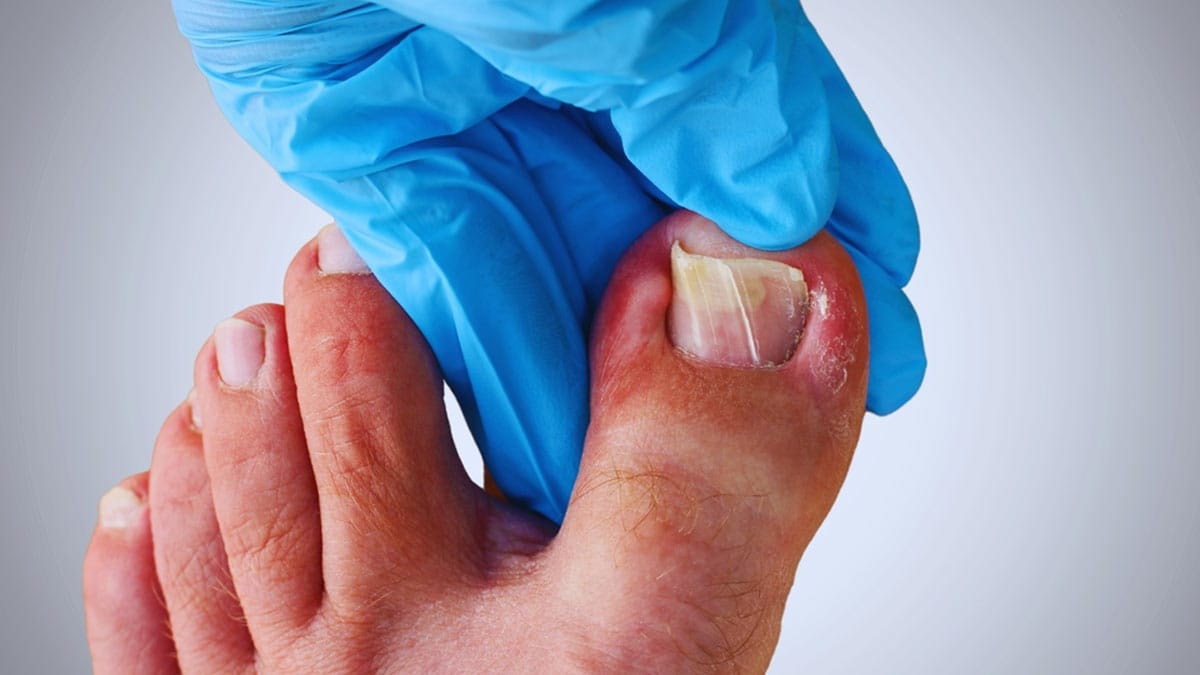
What is Diabetic Foot and Nail Removal Surgery?
This surgical approach addresses severe infections, ulcers, or nail complications in patients with diabetes. When conservative treatments fail, surgery may be required to:
● Remove infected or ingrown toenails (partial or complete nail avulsion).
● Excise dead or infected tissue in foot ulcers.
●Drain abscesses to prevent further infection.
● Correct deformities or, in extreme cases, perform minor amputations to preserve health and prevent systemic infection.
Types of Diabetic Foot and Nail Surgeries
- Toenail Removal (Partial or Complete) – Treats chronic fungal infections, ingrown nails, or persistent ulceration.
- Debridement Surgery – Removes dead or infected tissue to promote healing.
- Abscess Drainage – Relieves pressure and clears infection.
- Minor Amputations – Surgical removal of a toe or part of the foot if tissue is severely damaged.
- Reconstructive Surgery – Corrects deformities and restores foot function.
Common Treatment Methods
- Conservative Wound Care Before Surgery – Pressure offloading, wound dressings, and antibiotics to control infection.
- Nail Avulsion (Partial or Complete) – Removal of affected nail sections; chemical agents may prevent regrowth if needed.
- Debridement Surgery – Surgical removal of dead or infected tissue to improve blood flow and healing.
- Infection Control – Antibiotics administered orally, topically, or intravenously for deep infections.
- Drainage of Abscesses – Small incision to drain pus and reduce infection risk.
- Minor Surgical Amputation – Performed when tissue damage is extensive to prevent systemic infection.
- Post-Surgical Wound Care – Regular dressing changes, monitoring, pressure offloading, and blood sugar management.
Benefits of Modern Diabetic Foot and Nail Surgeries
- Prevention of Serious Complications – Stops infections from spreading to bones or bloodstream.
- Faster Wound Healing – Advanced debridement and wound care accelerate tissue regeneration.
- Improved Mobility and Comfort – Relieves pain from chronic infections or nail issues.
- Reduced Risk of Major Amputation – Minor surgeries preserve as much foot tissue as possible.
- Enhanced Aesthetic and Functional Outcomes – Minimal scarring and maintained foot structure.
- Personalized and Safer Procedures – Tailored surgical approaches with reduced risks.
- Lower Recurrence Rates – Correcting underlying issues prevents repeated infections.
Post-Treatment Care Tips
- Wound Care & Hygiene – Keep the site clean and dry; follow your doctor’s dressing instructions.
- Regular Dressing Changes – Prevent infection and monitor healing.
- Monitor for Infection – Look for redness, swelling, pain, or pus.
- Maintain Blood Sugar Control – Essential for proper healing and infection prevention.
- Avoid Pressure on the Foot – Use crutches, walkers, or special footwear.
- Wear Protective Footwear – Custom diabetic shoes or padded footwear prevent injury.
- Follow-Up Appointments – Ensure proper healing and early detection of complications.
- Nutrition and Hydration – Protein, vitamins, and zinc aid tissue repair; stay hydrated.
Conclusion
Diabetic foot and nail removal surgery is crucial for preventing severe complications like infection, gangrene, or amputation. Modern surgical techniques make the process safer, more effective, and comfortable.
Success depends on:
● Timely intervention
● Proper wound care
● Blood sugar control
● Regular foot inspections