
What is a Hysterectomy?
A hysterectomy is a surgical procedure that removes a woman’s uterus. Depending on the medical condition, it may also involve the removal of the cervix, fallopian tubes, and ovaries. After the procedure, a woman will no longer menstruate or be able to become pregnant, making it a significant healthcare decision.
Common Reasons for Hysterectomy:
● Uterine fibroids
● Endometriosis
● Chronic pelvic pain
● Heavy menstrual bleeding
● Uterine prolapse
● Cancer of the uterus, cervix, or ovaries
Modern hysterectomies often use minimally invasive techniques such as laparoscopy or robotic-assisted surgery, providing quicker recovery and reduced discomfort.
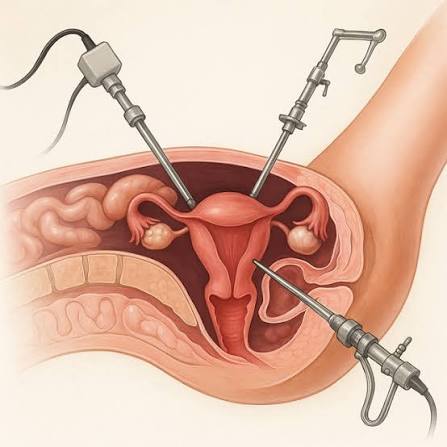
Types of Hysterectomy
Total Hysterectomy
- Removal of the uterus and cervix
- Recommended for fibroids, endometriosis, abnormal bleeding, or early-stage cancer
- Stops menstruation and eliminates future cervical issues
- Can be performed via abdominal, vaginal, or laparoscopic methods
Subtotal (Partial / Supracervical) Hysterectomy
- Removes the upper portion of the uterus, leaving the cervix intact
- Suitable when the cervix is healthy or for preserving pelvic floor support ○ Shorter recovery than total hysterectomy
- Requires continued cervical cancer screening
Radical Hysterectomy
- Removes uterus, cervix, upper vagina, and surrounding tissues (including pelvic lymph nodes)
- Primarily performed for cervical or uterine cancers
- Complex procedure with longer recovery
- Higher chance of removing all cancerous tissue
Hysterectomy with Bilateral Salpingo-Oophorectomy (BSO)
- Removes uterus, fallopian tubes, and ovaries
- Recommended for high-risk or confirmed gynecological cancers or severe endometriosis
- Induces immediate menopause in premenopausal women
- May require hormone replacement therapy
Common Surgical Methods
Abdominal Hysterectomy
- Traditional approach via a lower abdominal incision
- Recommended for enlarged uterus or complex cases
- Longer recovery but provides better surgical visibility
Vaginal Hysterectomy
- Uterus removed through the vaginal canal
- Shorter hospital stay, minimal scarring, quicker recovery
- Ideal for non-cancerous conditions like prolapse or small fibroids
Laparoscopic Hysterectomy
- Minimally invasive using small incisions with a camera and instruments
- Less pain, minimal scarring, faster recovery
- Can be total, partial, or combined with vaginal removal
Robotic-Assisted Laparoscopic Hysterectomy
- Uses a robotic system for precise control
- Useful for severe endometriosis, large fibroids, or cancer
- Minimally invasive with reduced blood loss and faster recovery
Benefits of Modern Hysterectomy Techniques
● Minimally Invasive: Small incisions, less tissue damage, minimal scarring
● Faster Recovery: Light activities resumed within a week; full recovery in 2–4 weeks
● Lower Risk of Complications: Reduced infection, bleeding, and organ damage
● Less Pain and Discomfort: Minimally invasive methods reduce post-operative pain
● Improved Aesthetic Results: Minimal visible scars
● Greater Surgical Precision: Robotic-assisted surgeries offer enhanced accuracy
● Shorter Hospital Stay: Often 24 hours or same-day discharge
● Personalized Treatment: Tailored based on condition, age, fertility goals, and health
Post-Treatment Care Tips
- Rest and Avoid Heavy Activities: Avoid lifting, intense exercise, or strenuous chores
- Manage Pain Effectively: Take prescribed medications and follow guidelines
- Care for Surgical Wounds: Keep the area clean, dry, and monitor for infection
- Gradual Return to Activity: Light walking improves circulation and prevents clots
- Eat a Nutritious Diet: Fiber-rich foods prevent constipation and support healing
- Avoid Smoking and Alcohol: Both delay healing and increase complications
- No Intercourse Until Fully Healed: Typically avoid for at least 6 weeks
- Attend Follow-Up Appointments: Monitor recovery and address complications early
- Watch for Warning Signs: Heavy bleeding, severe pain, foul discharge, difficulty urinating, or fever
- Emotional Well-being: Seek support if experiencing mood changes or emotional distress
Conclusion
A hysterectomy is a transformative procedure that offers relief from chronic pain, abnormal bleeding, and gynecological conditions affecting quality of life. Modern minimally invasive and robotic-assisted techniques provide faster recovery, minimal scarring, and fewer complications. Informed decisions, personalized care, and proper post-operative support are key to a successful outcome. With guidance from a qualified gynecologist, patients can approach the procedure safely, confidently, and with a path toward a healthier future.