
What is Appendicitis Surgery?
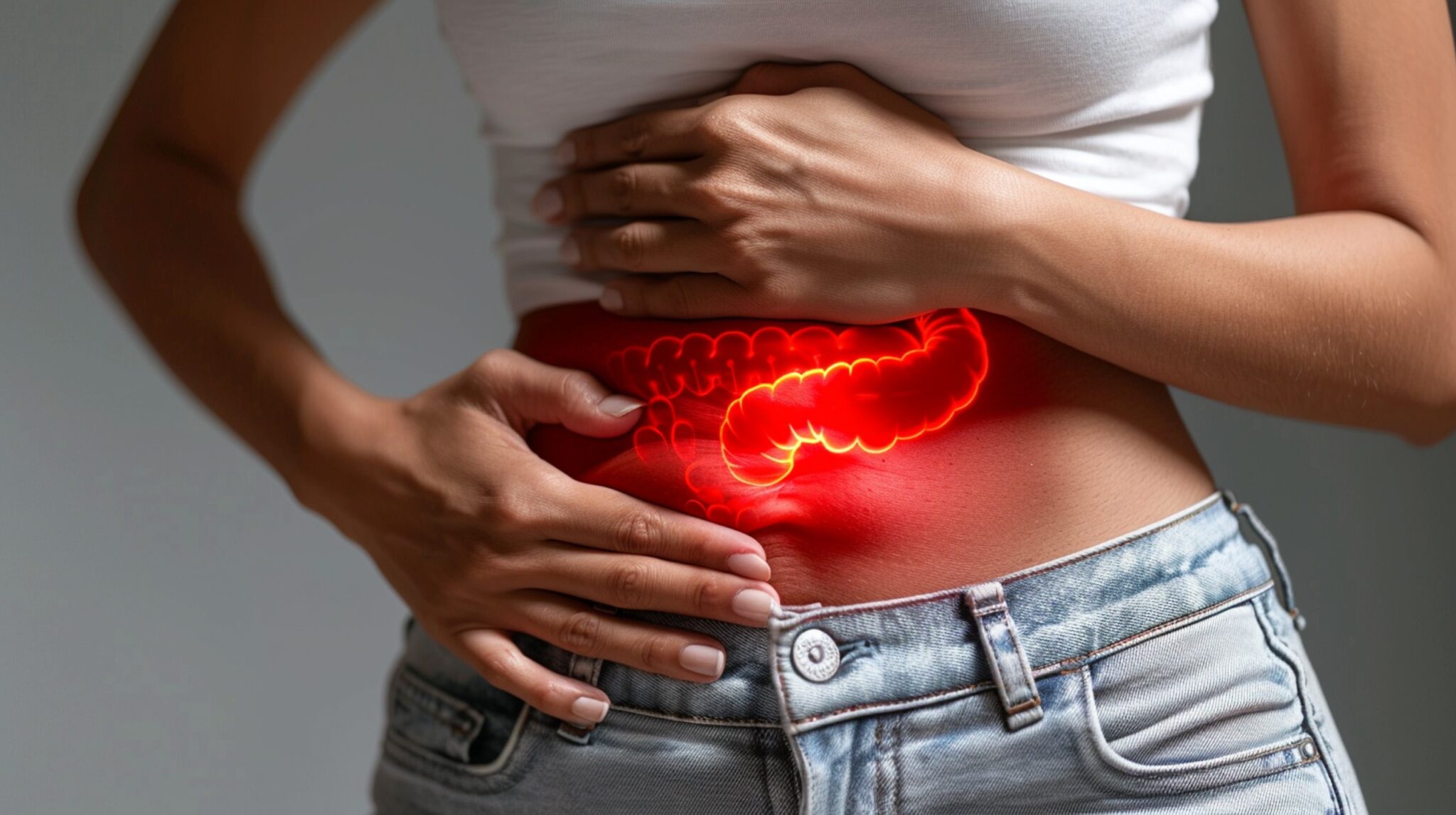
Appendicitis surgery, also known as an appendectomy, is a procedure to remove an inflamed or infected appendix. The appendix is a small, tube-shaped pouch attached to the large intestine. Inflammation of the appendix, called appendicitis, can lead to severe pain, infection, and life-threatening complications if not treated promptly. Surgery is the safest and most effective solution to prevent the appendix from rupturing, which can cause infection throughout the abdomen (peritonitis)
Types of Appendicitis Surgery
Laparoscopic Appendectomy
- Minimally invasive procedure with 2–3 small incisions
- A laparoscope (thin camera) provides real-time views of the abdomen
- Benefits: less pain, minimal scarring, faster recovery
- Ideal for early-stage appendicitis, younger patients, obese individuals, and women of childbearing age
Open Appendectomy
- Traditional surgery with a larger incision in the lower right abdomen
- Preferred when the appendix has ruptured, severe infection is present, or previous abdominal surgeries complicate laparoscopic access
- Provides better control in complex or emergency situations
- Recovery may be longer compared to laparoscopic surgery
Common Treatment Methods
Laparoscopic Appendectomy
- Most modern approach
- Minimally invasive, faster recovery, less pain, lower risk of infection
- Ideal for uncomplicated appendicitis
Open Appendectomy
- Used for severe or complicated appendicitis
- Allows thorough cleaning if infection or pus is present
- Longer recovery, but highly effective for emergency cases
- Antibiotic Therapy (Rare Cases)
- Non-surgical approach for mild appendicitis in patients where surgery is high-risk
- Controls inflammation temporarily
- Surgery is still considered the gold standard
Benefits of Modern Appendicitis Surgery
● Minimally Invasive Procedures: Smaller incisions, less tissue trauma, minimal scarring
● Faster Recovery: Discharge within 24–48 hours for most patients
● Lower Risk of Infection: Advanced sterilization and precision instruments
● Improved Accuracy & Visualization: High-definition cameras during laparoscopy enhance precision
● Better Outcomes in Complicated Cases: Effective drainage and removal of ruptured or abscessed appendices
● Reduced Postoperative Discomfort: Less pain, minimal use of medications, greater comfort
Post-Treatment Care Tips
Follow the Doctor’s Instructions
- Take medications on time
- Follow activity, wound care, and dietary guidelines
- Attend all follow-up appointments
Care for the Incision Site
- Keep the area clean and dry
- Avoid scrubbing or applying unprescribed creams
- Watch for signs of infection: redness, swelling, discharge, fever
Maintain a Light and Nutritious Diet
- Begin with easily digestible foods: soups, boiled vegetables, fruits
- Stay hydrated and gradually resume normal meals
- Avoid greasy, heavy, or spicy foods initially
Avoid Heavy Lifting & Strenuous Activities
- Avoid lifting, intense workouts, or bending for 2–4 weeks
- Light walking is encouraged to promote circulation
Monitor Bowel Movements
- Mild constipation may occur due to anesthesia or pain medications
- Increase fiber intake and hydration
- Consult a doctor if constipation persists
Get Adequate Rest
- Sleep and short naps help the body heal
- Avoid overexertion in the first few days
Be Alert for Warning Signs
Contact a doctor immediately if you experience:
- Severe abdominal pain
- Persistent vomiting or nausea
- High fever
- Bleeding or unusual drainage from the incision
Conclusion
Appendicitis is a medical emergency requiring timely surgical intervention. Modern techniques, especially laparoscopic appendectomy, allow for safer, faster, and less painful recovery. By following proper post-operative care, maintaining a healthy diet, and staying in contact with your healthcare provider, patients can usually return to normal routines within a few weeks.