
What is Thyroid Surgery?
Thyroid surgery, also called thyroidectomy, is a procedure to remove all or part of the thyroid gland, located at the base of the neck. The thyroid regulates metabolism through hormones like T3 and T4.
It is typically recommended for:
● Thyroid nodules
● Goiters
● Hyperthyroidism (overactive thyroid)
● Thyroid cancer
The goal is to treat the thyroid condition while preserving overall health. Modern thyroid surgeries may be performed using minimally invasive or open techniques, and patients may need hormone replacement therapy if the entire thyroid is removed.
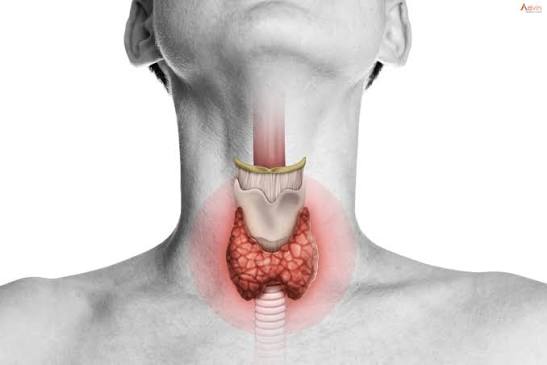
Types of Thyroid Surgery
Total Thyroidectomy
- Complete removal of the thyroid
- Recommended for thyroid cancer, large goiters, or severe hyperthyroidism
- Lifelong thyroid hormone replacement required
Subtotal (Near-Total) Thyroidectomy
- Most of the thyroid is removed, leaving a small portion
- Often used for benign conditions like multinodular goiters
- Some thyroid function may remain, but hormone therapy is often needed
Lobectomy (Hemithyroidectomy)
- Removes one lobe of the thyroid
- Used when a nodule or cancer is confined to one side
- Many patients maintain normal hormone levels
Isthmusectomy
- Removes only the thin connecting tissue (isthmus)
- Minimally invasive with faster recovery
Common Treatment Methods – Thyroid Surgery
Conventional (Open) Thyroidectomy
- Small incision in the front of the neck
- Direct removal of thyroid tissue with protection of vocal cords and parathyroid glands
- Highly effective with clear visibility
Minimally Invasive or Endoscopic Thyroidectomy
- Small incisions with camera-assisted endoscope
- Less visible scarring, reduced pain, quicker recovery
- Suitable for smaller nodules or early-stage disease
Benefits of Modern Thyroid Surgery
Minimally Invasive Techniques
- Smaller incisions, reduced scarring, less blood loss
Faster Recovery Time
- Shorter hospital stay and quicker return to daily activities
Reduced Postoperative Pain
- Less tissue trauma lowers the need for pain medication
Enhanced Surgical Precision
- High-definition imaging and surgical navigation protect nerves and parathyroid glands
Lower Risk of Complications
- Voice changes or calcium imbalance are minimized
Improved Cosmetic Results
- Hidden or small incisions for better aesthetic outcomes
High Success Rates
- Safe and reliable when performed by experienced surgeons
Post-Treatment Care
Wound Care
- Keep the incision clean and dry; avoid creams unless prescribed
Pain Management
- Take prescribed pain relievers; ice packs may help swelling
Watch for Warning Signs
- Seek medical help for swelling, redness, discharge, difficulty breathing, or fever
Voice Rest
- Temporary hoarseness may occur; avoid excessive talking
Monitor Calcium Levels
- Calcium or vitamin D supplements may be needed
- Watch for tingling in hands, feet, or around the mouth
Thyroid Hormone Replacement
- Necessary if entire thyroid is removed
- Regular blood tests to adjust dosage
Diet and Hydration
- Soft, easy-to-swallow foods initially; avoid spicy or acidic foods
Activity and Rest
- Avoid strenuous activity and heavy lifting for 1–2 weeks
Scar Care
- Use scar creams or silicone sheets once healing begins
- Avoid sun exposure to the scar
Follow-Up Appointments
- Attend all check-ups for stitch removal, hormone monitoring, and recovery tracking
Conclusion
Thyroid surgery is a safe and effective treatment for nodules, goiters, hyperthyroidism, and thyroid cancer. Modern techniques ensure minimal scarring, faster recovery, and fewer complications. Choosing an experienced surgeon, understanding your treatment plan, and following post-op care are crucial for long-term health and well-being.