
What is Abdominal Obstruction?
Abdominal obstruction, also called intestinal or bowel obstruction, occurs when the normal movement of contents through the intestines is blocked. This prevents food, fluids, and gas from passing through normally.
Blockages can be partial or complete and may be caused by:
- Scar tissue (adhesions) from previous surgeries
- Hernias
- Tumors inside or pressing on the intestines
- Impacted stool or foreign bodies
- Inflammatory conditions like Crohn’s disease
- Twisting of the bowel (volvulus) or intussusception
If untreated, pressure buildup can reduce blood flow, cause tissue death, or lead to bowel rupture
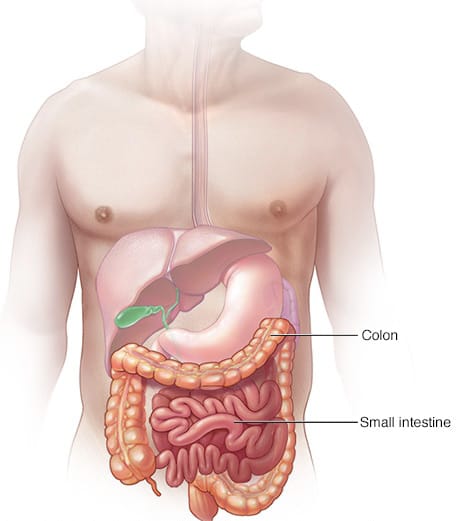
Types of Abdominal Obstruction
Mechanical Obstruction
Physical blockage preventing movement of contents. Causes include:
- Adhesions from surgery
- Hernias
- Tumors
- Volvulus (twisting of intestine)
- Intussusception (intestine sliding into another section)
- Fecal impaction or foreign objects
Non-Mechanical Obstruction
(Paralytic Ileus) Intestines fail to move normally, without physical blockage. Causes include:
- Recent abdominal or pelvic surgery
- Infections (appendicitis, peritonitis)
- Electrolyte imbalances (low potassium or calcium)
- Medications (opioids, sedatives)
- Neurological disorders (Parkinson’s, spinal injury)
Partial Obstruction
Some contents pass through, but inefficiently. Symptoms may include bloating, cramping, and constipation.
Complete Obstruction
Nothing passes through. This is a medical emergency, risking intestinal rupture, severe infection, and tissue death.
Common Treatment Methods
Hospitalization and Stabilization
- IV fluids for hydration
- Electrolyte replacement
- Nil per os (NPO) to rest the bowel
- Nasogastric (NG) tube to relieve pressure
Medications
- Reduce inflammation (Crohn’s disease, diverticulitis)
- Relieve pain
- Stimulate bowel movements (non-mechanical obstruction)
- Treat infections or correct electrolyte imbalances
Non-Surgical Interventions
- Bowel rest and monitoring
- Enemas or laxatives (under doctor supervision)
- Endoscopic decompression for certain cases
Surgical Treatment
- Adhesiolysis: Removing scar tissue causing blockage
- Bowel resection: Removing damaged intestine and reconnecting healthy parts
- Colostomy or ileostomy: Temporary or permanent external opening
- Tumor removal if obstruction is caused by cancer
Treating Underlying Causes
- Cancer therapy (surgery, chemotherapy, or radiation)
- Hernia repair
- Management of inflammatory bowel disease (IBD)
Post-Treatment Care Tips
Follow Dietary Recommendations
- Start with liquids or soft diet; gradually reintroduce solids
- Low-fiber/low-residue diet may be advised initially
- Avoid fatty, fried, and gas-producing foods
Hydration
- Drink sufficient water to prevent constipation and support bowel function
Gradual Physical Activity
- Gentle walking stimulates bowel movement
- Avoid heavy lifting or strenuous activity post-surgery
Monitor Bowel Movements
- Watch for constipation, diarrhea, bloating, or blood in stool
Adhere to Medication Guidelines
- Take antibiotics, anti-inflammatories, or painkillers as prescribed
- Avoid over-the-counter laxatives unless approved
Attend Follow-Up Appointments
- Monitor healing and detect complications early
Watch for Warning Signs
- Severe abdominal pain, persistent vomiting, fever, swelling/redness, inability to pass stool/gas
Manage Underlying Conditions
- Continue treatment for hernia, adhesions, tumors, or IBD to prevent recurrence
Conclusion
Abdominal obstruction is a serious medical condition requiring timely treatment. Modern surgical and medical care has improved recovery, but long-term health depends on:
● Proper diet
● Gradual physical activity
● Monitoring symptoms
● Managing underlying conditions