
What is Breast Surgery?
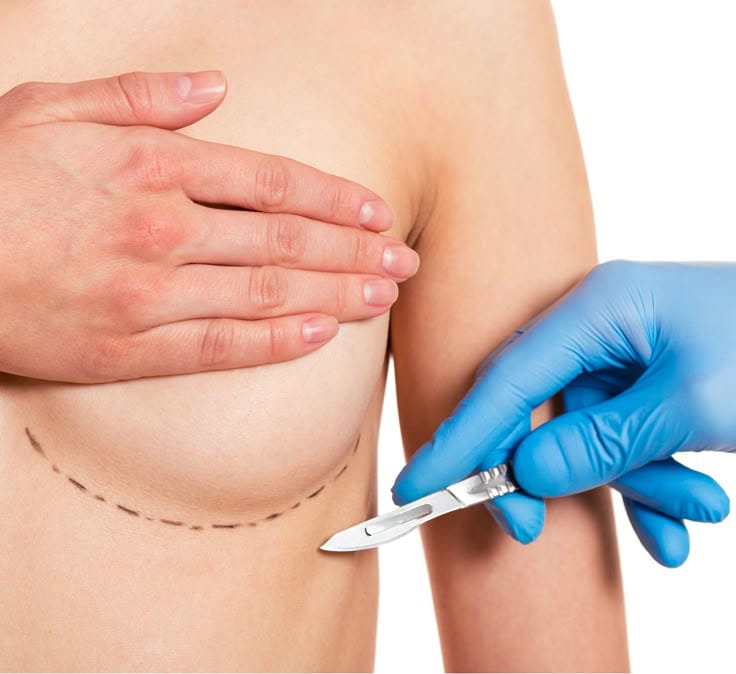
Breast surgery refers to various surgical procedures performed on the breast for medical, cosmetic, or reconstructive purposes.
These surgeries may address:
● Breast cancer
● Benign tumors
● Congenital abnormalities
● Aesthetic concerns
Medical breast surgeries involve removing abnormal tissue (lumpectomy, mastectomy), reconstructing the breast post-cancer (breast reconstruction), or altering size/shape (augmentation/reduction). Modern techniques allow less invasive procedures, faster recovery, and better cosmetic outcomes, helping patients regain confidence and emotional well-being.
Types of Breast Surgery
Lumpectomy
- Removes a breast lump or abnormal tissue
- Preserves most of the breast
- Often followed by radiation therapy
Mastectomy
- Removal of one or both breasts (partial or complete)
- Types: total, radical, nipple-sparing
- Treats or prevents breast cancer
Breast Reconstruction Surgery
- Restores breast shape post-mastectomy or lumpectomy
- Uses implants or tissue from the patient’s body (flap surgery)
- Improves psychological and emotional recovery
Breast Augmentation
- Enhances breast size and shape with implants
- Restores volume lost after pregnancy or weight loss
Breast Reduction Surgery
- Removes excess fat, tissue, and skin
- Relieves back, shoulder pain, and skin irritation
Breast Lift (Mastopexy)
- Reshapes and lifts sagging breasts
- Often combined with augmentation or reduction
Preventive (Prophylactic) Mastectomy
- Reduces breast cancer risk in high-risk women (BRCA gene carriers)
Male Breast Surgery (Gynecomastia Surgery)
- Removes excess male breast tissue
- Achieves a flatter, more masculine chest
Common Treatment Methods – Breast Surgery
Surgical Excision (Lumpectomy or Mastectomy)
- Removes tumors or suspicious tissue
- Lumpectomy: tumor + small margin
- Mastectomy: entire breast
Breast Reconstruction
- Rebuilds breast using implants or autologous tissue
Breast Augmentation or Reduction
- Enhances size or relieves discomfort
Sentinel Lymph Node Biopsy / Axillary Dissection
- Checks if cancer has spread to lymph nodes
Minimally Invasive or Endoscopic Surgery
- Smaller scars, quicker recovery
Oncoplastic Surgery
- Combines cancer removal and plastic surgery techniques
Benefits of Modern Breast Surgery
Minimally Invasive Techniques
- Smaller incisions, less scarring, reduced pain, faster recovery
Improved Cosmetic Results
- Preserves natural breast appearance
- Boosts confidence post-surgery
Customized Surgical Plans
- Tailored to body type, medical history, and goals
Advanced Imaging & Precision
- 3D mammography, MRI for accurate planning
Enhanced Recovery & Pain Management
- Advanced pain control and post-op care
Reconstructive Options
- Implants or natural tissue for better psychological outcomes
Better Cancer Control
- Modern techniques + targeted therapies reduce recurrence risk
Post-Treatment Care Tips – Breast Surgery
Follow Medical Instructions
- Take medications as prescribed
- Adhere to activity limitations and wound care
Manage Pain and Discomfort
- Use prescribed painkillers or ice packs for swelling
Surgical Site Care
- Keep incision clean and dry
- Monitor for infection (redness, swelling, discharge)
Wear Supportive Garments
- Compression or surgical bras minimize swelling and maintain shape
Limit Physical Activity
- Avoid heavy lifting or vigorous exercise
- Gentle walking is recommended
Sleep Position
- Sleep on back with upper body slightly elevated
Nutrition & Hydration
- Balanced diet rich in protein, vitamins, minerals
- Stay hydrated
Attend Follow-Up Appointments
- Ensure proper healing and monitor progress
Emotional Well-being
- Seek counseling or join support groups if needed
Conclusion
Breast surgery, whether cosmetic, medical, or reconstructive, impacts both physical and emotional well-being. Modern minimally invasive techniques and oncoplastic methods provide precise procedures, faster recovery, and better aesthetic results. With careful surgical planning, proper post-op care, and emotional support, patients can expect safe, effective, and confidence-restoring outcomes.