
What is Foot Corns?
Foot corns are small, hardened areas of thickened skin that usually develop on the tops and sides of toes or the soles of the feet. They are caused by repeated friction or pressure, often from ill-fitting shoes or abnormal walking patterns. Corns can be painful when pressed and may cause discomfort during walking or standing. Although not usually serious, untreated corns can worsen, especially in diabetic patients or those with poor circulation.
What is Foot Ulcers?
Foot ulcers are open sores or wounds on the feet, commonly resulting from poor blood flow, nerve damage (neuropathy), or trauma. They are most frequent in people with diabetes and can become serious if untreated. Ulcers may begin as small blisters or cuts and, without proper care, can lead to infections, deeper tissue damage, or even amputation. Early detection is essential to prevent complications.
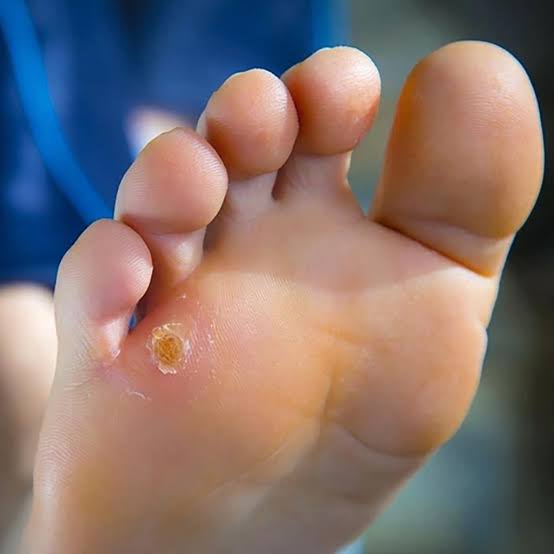
What is Foot Corns and Ulcers Treatment?
Foot Corns and Ulcers Treatment involves medical and non-surgical management aimed at relieving pain, promoting healing, and preventing complications. Treatment varies depending on whether the patient has corns or ulcers:
● Corns: Focus on relieving pressure, softening or removing thickened skin, and correcting underlying causes.
● Ulcers: Require intensive care to promote healing, prevent infection, and avoid serious complications like tissue loss
Types of Treatment
Conservative Management
- Footwear Modification: Switch to well-fitted, supportive shoes.
- Padding and Insoles: Cushions or orthotic insoles reduce pressure.
- Callus Removal: Medicated pads, pumice stones, or clinical debridement.
Topical and Oral Medications
- Keratolytic Creams: Break down hardened skin in corns.
- Antibiotics: For infected ulcers.
- Moisturizers: Prevent dryness and cracking around corns or ulcers.
Wound Care for Ulcers
- Debridement: Removal of dead or infected tissue.
- Dressing Changes: Sterile, moist, or antimicrobial materials.
- Negative Pressure Wound Therapy (NPWT): Vacuum-assisted healing for advanced ulcers.
Pressure Offloading
- Custom Orthotics or Special Footwear: Redistribute pressure.
- Total Contact Casting (TCC): Specialized casts for diabetic foot ulcers.
Surgical Intervention
- Corn Excision: Minor surgical removal of persistent corns.
- Ulcer Closure Surgery: For large or non-healing ulcers, including skin grafting if needed
Common Treatment Methods
Treatment of Foot Corns
● Padding and Footwear Adjustment: Cushioned, well-fitted shoes reduce friction.
● Keratolytic Creams: Soften thickened skin for easier removal.
● Debridement: Painless shaving of corns by a podiatrist.
● Orthotic Devices: Correct biomechanical issues.
● Surgical Correction: Rare cases for bone abnormalities.
Treatment of Foot Ulcers
● Wound Cleaning and Debridement: Essential for healthy healing.
● Dressing Changes: Specialized dressings (medicated, antimicrobial, hydrocolloid).
● Antibiotics: Treat infections if present.
● Pressure Offloading: Use total contact casts, crutches, or therapeutic shoes.
● Advanced Therapies: NPWT, bioengineered tissue grafts, or skin grafting.
● Blood Sugar Control: Essential for diabetic patients.
Benefits of Modern Treatments
Faster Healing and Recovery – Advanced dressings and topical medications promote quicker tissue regeneration.
Pain-Free and Non-Invasive – Modern corn removal and ulcer care methods minimize discomfort.
Reduced Risk of Infection – Antimicrobial dressings and wound care protocols prevent complications.
Personalized Treatment Plans – Gait analysis, pressure mapping, and orthotics ensure tailored care.
Better Long-Term Outcomes – Prevention-focused strategies reduce recurrence.
Advanced Technologies for Severe Cases – NPWT, skin grafts, and stem-cell-based dressings provide effective solutions for chronic or complex ulcers.
Post-Treatment Care Tips
- Keep the Area Clean and Dry – Wash with lukewarm water and mild soap, pat dry carefully
- Avoid Excessive Pressure – Use cushioned footwear or orthotics; avoid walking barefoot.
- Monitor for Infection – Watch for redness, swelling, pus, or foul odor.
- Regular Dressing Changes – Follow doctor’s instructions with sterile materials.
- Maintain Blood Sugar Levels – Critical for diabetic patients.
- Wear Proper Footwear – Soft insoles, wide toe boxes, and breathable shoes.
- Follow-Up Visits – Ensure healing progress and timely interventions.
Conclusion
Foot corns and ulcers, if untreated, can lead to serious complications, particularly for diabetic or circulation-impaired patients. Modern treatments now allow for effective, painless, and faster recovery. Proper care, early diagnosis, and consistent follow-up not only relieve pain but also prevent infection, recurrence, and long-term damage. Prioritizing foot health preserves mobility, independence, and quality of life.