
What are Gallbladder Stones?
Gallbladder stones, also called gallstones, are solid particles that form in the gallbladder—a small, pear-shaped organ beneath the liver. The gallbladder stores bile, a digestive fluid that helps break down fats. Gallstones form when substances in bile, such as cholesterol or bilirubin, become imbalanced and harden. They can range from tiny sand-like particles to stones as large as a golf ball. Some people may have a single large stone, while others have many small ones.
● Intense pain (gallbladder attack)
● Nausea and vomiting
● Indigestion or bloating
● Inflammation of the gallbladder (cholecystitis)
Risk Factors:
● Overweight or obesity
● Pregnancy
● Diabetes
● High-fat, low-fiber diet
● Women over 40
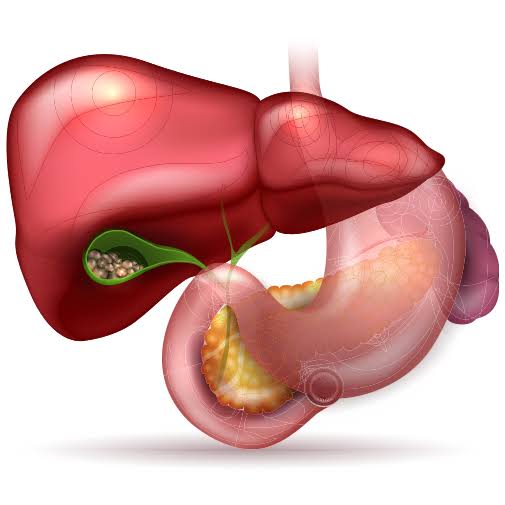
Common Symptoms
● Intense pain (gallbladder attack)
● Nausea and vomiting
● Indigestion or bloating
● Inflammation of the gallbladder (cholecystitis)
Risk Factors
● Overweight or obesity
● Pregnancy
● Diabetes
● High-fat, low-fiber diet
● Women over 40
Early diagnosis and treatment help prevent complications, and in many cases, surgical removal of the gallbladder (cholecystectomy) is recommended.
Types of Gallbladder Stones
Cholesterol Gallstones
- Most common type, yellow-green in color
- Composed mainly of hardened cholesterol
- Risk factors: obesity, high-fat diet, diabetes, rapid weight loss
- May remain symptom-free for years but can block bile ducts
Pigment Gallstones
- Darker stones (black or brown), formed from excess bilirubin
- Black stones: linked to liver disease or sickle cell anemia
- Brown stones: often in bile ducts, associated with infection or parasites
- Smaller but more numerous, can cause blockages or inflammation
Mixed Gallstones
- Combination of cholesterol, calcium salts, and bilirubin
- Grayish or off-white, varying in size
- Form due to chronic gallbladder dysfunction or long-term infections
- Can cause intermittent pain, bloating, or discomfort after fatty meals
Common Treatment Methods
Watchful Waiting
- For asymptomatic gallstones discovered incidentally
- Regular monitoring and lifestyle adjustments to prevent complications
Medications (Oral Dissolution Therapy)
- Drugs like ursodeoxycholic acid can dissolve small cholesterol stones
- Slow process, may take months or years, and recurrence is possible 3. Lithotripsy (Shock Wave Therapy)
- Non-invasive treatment using shock waves to break stones
- Rarely used today, mainly for small cholesterol stones
Laparoscopic Cholecystectomy (Minimally Invasive Surgery)
- Most common and effective treatment for symptomatic gallstones
- Small incisions with a laparoscope for gallbladder removal
- Quick recovery, minimal complications
Open Cholecystectomy (Traditional Surgery)
- Used when laparoscopic surgery is not feasible
- Larger incision, longer recovery
- Necessary for complex cases with severe inflammation or scar tissue
Endoscopic Retrograde Cholangiopancreatography (ERCP)
- For gallstones in bile ducts causing obstruction
- Endoscope removes stones; gallbladder may be removed afterward
Benefits of Modern Treatments
● Minimally Invasive Surgery: Less pain, minimal scarring, faster recover
● Lower Risk of Complications: Advanced imaging and precision tools reduce infection or injur
● Faster Recovery: Return to daily activities within days
● High Success Rate: Long-term relief; removal eliminates recurrence
● Non-Surgical Options: Medications or ERCP for select patients
● Improved Diagnosis: Ultrasound, CT, and MRCP allow early detection
● Personalized Treatment: Tailored approach based on age, health, and symptoms
Post-Treatment Care Tips
Follow a Low-Fat Diet
- Avoid fried and greasy foods
- Eat boiled, baked, or grilled meals
- Include fiber-rich fruits, vegetables, and whole grains
Eat Small, Frequent Meals
- Reduces digestive strain and prevents bloating
Stay Hydrated
- Drink plenty of water to aid digestion and prevent constipation
Gradually Resume Physical Activity
- Light walking helps prevent blood clots and improve digestion
- Avoid heavy lifting or strenuous activity for 2–4 weeks
Watch for Warning Signs
- Persistent fever, severe abdominal pain, jaundice, nausea, or incision fluid
Care for Surgical Wounds
- Keep incision areas clean and dry
- Avoid soaking in baths or swimming until fully healed
Take Prescribed Medications
- Follow antibiotics or painkillers as prescribed
Attend Follow-Up Appointments
- Regular monitoring ensures early detection of any complications
Conclusion
Gallbladder stones can lead to serious discomfort and complications if untreated. Early diagnosis and the right treatment—whether lifestyle adjustments, medication, or surgery—provide lasting relief. Modern procedures, especially laparoscopic cholecystectomy, are safe, minimally invasive, and allow faster recovery. Following post-treatment care and adopting healthy dietary habits ensures long-term well-being.